3 Signs You’re An Ideal Candidate For Dental Implants
You may feel worn down by missing teeth. You might hide your smile, avoid photos, or chew only on one side. That daily strain is exhausting. Dental implants can bring back your bite and your confidence. Yet they are not right for everyone. You need to know if they fit your health, your mouth, and your goals. This guide lays out three clear signs that you are a strong match for this treatment. You will see what your gums, jawbone, and daily habits must look like before you move forward. You will also learn when to pause and heal first. A dentist in Sequim, WA can then use this information to plan your next steps with you. That way you do not guess. You make a steady, informed choice about your smile and your future comfort.
Sign 1: Your gums and jaw are in steady shape
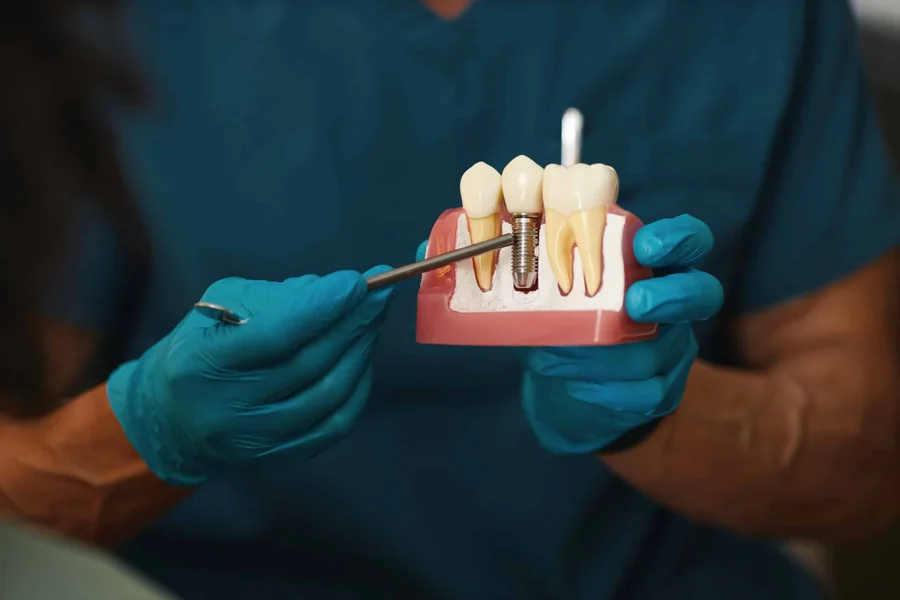
Dental implants need a clean, steady base. Your gums and jawbone hold the small post that acts like a tooth root. If these tissues are weak, the implant can fail.
Healthy gums do not bleed when you brush. They look firm and do not feel sore. Untreated gum disease can eat away bone and cause loose teeth. That same process can also harm an implant.
Strong bone is just as important. The implant post needs enough height and width of bone to stay solid when you chew. Without it, the post can move or break.
You may be a good match if you:
- Brush twice per day and clean between teeth
- See a dentist for regular cleanings and checkups
- Do not have active gum infection or untreated decay
If you have gum disease or bone loss, you may still get implants later. First, you treat the infection. Then you may need bone grafting or other support. The National Institute of Dental and Craniofacial Research explains how healthy tissue supports long-term success.
Sign 2: Your overall health is stable and under control
Your mouth does not heal on its own. Your whole body plays a role. Dental implant surgery is minor, yet it still needs your body to heal well.
You are likely a strong candidate if you:
- Do not smoke or vape
- Have diabetes that is well managed
- Do not have recent heart surgery or uncontrolled heart disease
- Are not on high-dose drugs that weaken bone unless cleared by your doctor
Smoking can slow blood flow and raise the risk of infection. Poorly controlled diabetes can also delay healing and raise the risk of implant loss. Certain cancer drugs and bone drugs can change how bone heals.
Your dentist may ask for a letter from your doctor. That step protects you. It confirms that surgery is safe and that your conditions are in steady control.
The Centers for Disease Control and Prevention links healthy mouths with better general health. When your health is steady, your chances of implants improve.
Sign 3: You want a long-term fix and can care for it
Dental implants work best for people who want a long-term answer. They also need daily care. You do not remove an implant like a denture. You clean it like a natural tooth.
You may be ready for implants if you:
- Feel tired of loose dentures or gaps
- Want to chew a wide range of foods again
- Can brush and clean between teeth every day
- Are willing to see the dentist for follow-up visits
Your daily habits matter more than any device. Clean implants last longer. Missed cleanings can lead to infection around the implant. That infection can cause bone loss and pain.
Dental implants compared with other tooth replacement options
You might still wonder how implants stack up against bridges and dentures. This simple table shows key differences. It can help you see if implants match your goals and your life.
| Feature | Dental Implants | Fixed Bridge | Removable Denture
|
|---|---|---|---|
| Stability when chewing | Feels like natural teeth | Very stable | May move while eating |
| Effect on nearby teeth | No change to neighbor teeth | Neighbor teeth may be trimmed | No trimming, but clips may rub |
| Bone preservation | Helps keep jawbone height | Does not stop bone loss | Bone can shrink over time |
| Cleaning routine | Brush and clean between teeth | Brush and clean under bridge | Remove and clean every day |
| Typical lifespan with good care | Many years, often decades | Often 10 to 15 years | Often 5 to 8 years |
| Initial cost | Higher | Medium | Lower |
What to expect at your implant visit
If these signs fit you, the next step is a full exam. The visit often includes three parts.
- Review of your health. You share your medical history and current drugs. You also share your goals and your worries.
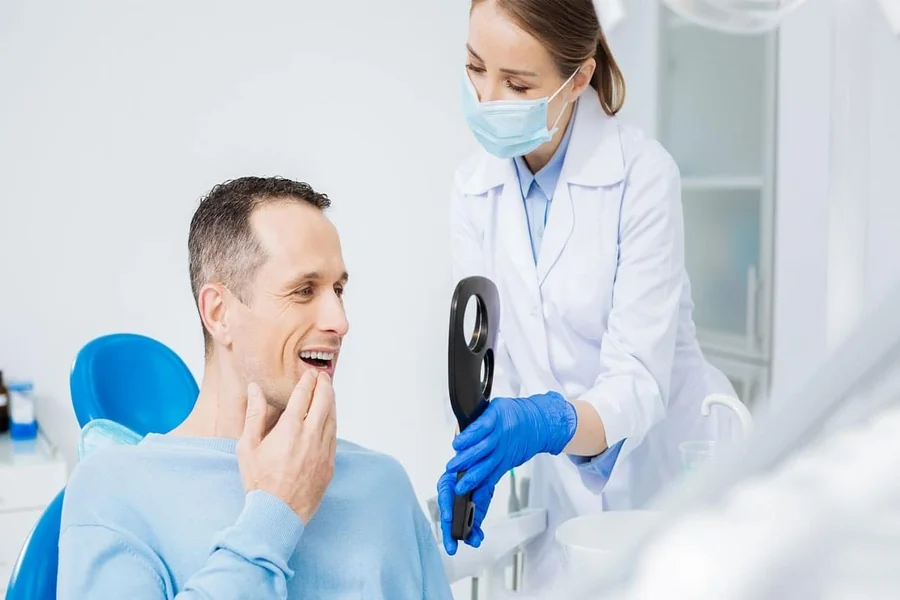
- Mouth exam and images. The dentist checks your gums and teeth. You may get X-rays or 3D scans to measure bone height and width.
- Plan and timeline. You see how many visits you need. You hear about cost, healing time, and what you must do at home.
You leave with a clear plan. You also know if you should treat gum disease or other problems first.
When implants may need to wait
Sometimes the safest answer is to pause. You might need more time if you:
- Use tobacco and are not ready to quit
- Have poorly controlled diabetes
- Have untreated gum disease or large cavities
- Are pregnant and can wait for surgery
In these cases, you can still replace missing teeth for now with other methods. Then you can return to the idea of implants when your health improves.
Take your next step with confidence
Dental implants can restore more than your smile. They can restore how you eat and speak. They can also ease daily stress from loose teeth or gaps.
If your gums are stable, your health is steady, and you want a long-term fix, you may be an ideal candidate. Your next move is simple. Schedule a visit with a trusted dentist. Ask clear questions. Share your health history. Then choose the path that protects your comfort and your peace of mind for years to come.