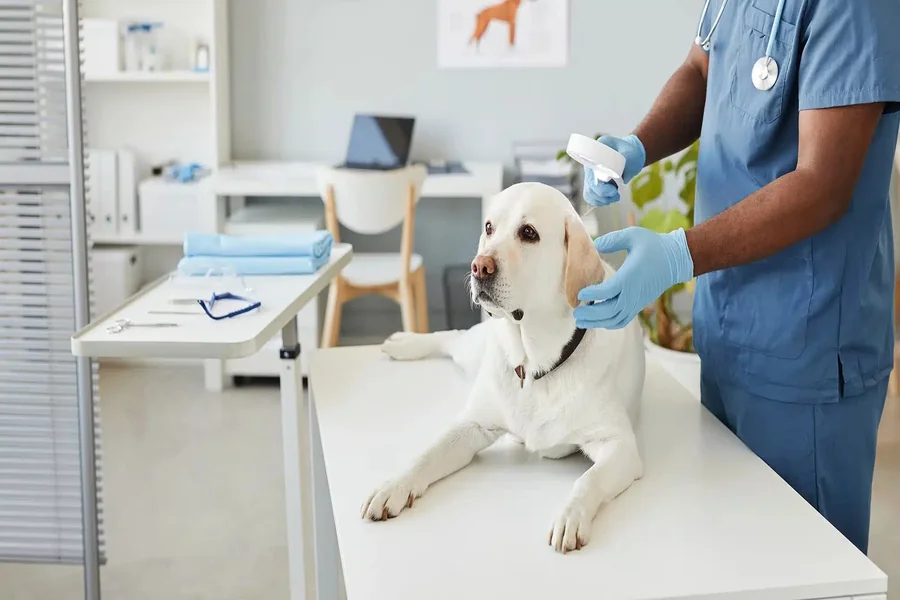

4 Ways Vets Help With Behavioral Concerns In Pets
Behavior changes in your pet can feel scary. Sudden barking, biting, hiding, or house soiling can shake your home and your trust. You might wonder if you did something wrong. You did not. A Bloomingdale veterinarian can help you understand what your pet is trying to say through this behavior. Many behavior changes come from pain, stress, or confusion. You cannot fix those with guesswork or online tips. You need clear answers. This blog explains four direct ways your vet can step in. You will see how medical checks, behavior plans, training support, and follow up visits work together. You will also see when behavior becomes an emergency. By the end, you will know what to ask, what to expect, and how to protect both your pet and your own peace of mind.
1. Your Vet Rules Out Medical Causes First
One quiet health problem can look like many behavior problems. Pain, skin itching, stomach upset, or hormone shifts can all change how your pet acts. You might see anger, clinginess, restlessness, or new accidents on the floor. Without a medical check, you guess. With a medical check, you know.
At a behavior visit, your vet will usually
- Ask when the behavior started and what changed at home
- Review food, sleep, exercise, and past medical problems
- Do a nose to tail exam to look for pain or illness
- Order lab tests like blood work or urine tests if needed
The American Veterinary Medical Association explains that pain and illness often show first as behavior changes. You can read more about this link at the AVMA resource on animal behavior: https://www.avma.org/.
Once health problems are treated, some behavior problems fade. Others improve but still need training and structure. Either way, you stop guessing and stop blaming yourself.
2. Your Vet Builds a Clear Behavior Plan
After medical causes are checked, your vet can build a plan you can follow at home. This plan focuses on what your pet does, when it happens, and what happens right before and right after the behavior. You learn what feeds the behavior and what calms it.
A behavior plan often includes three parts.
- Management. You change the setup at home to prevent bad behavior and keep people safe. You might use baby gates, crates, or leashes inside.
- New habits. You add a simple daily routine. You choose set times for meals, walks, play, and quiet time.
- Step by step training. You teach your pet what to do instead of the unwanted behavior. You shape one small change at a time.
Here is a simple comparison of common behavior problems and first steps your vet might suggest.
| Behavior concern | Possible cause | Typical first vet steps
|
|---|---|---|
| Sudden aggression | Pain, fear, resource guarding | Full exam for pain. Safety steps at home. Behavior plan for triggers. |
| House soiling | Urinary issue, stomach issue, stress | Urine and stool tests. Clean up plan. New potty routine. |
| Separation distress | Fear of being alone | Rule out medical issues. Calming tools. Short practice absences. |
| Excessive barking | Alarm, boredom, anxiety | History of triggers. More exercise. Teach a quiet cue. |
| Destructive chewing | Teething, stress, lack of outlets | Dental check. Chew toy plan. Supervision and confinement. |
You do not need to create this plan alone. Your vet guides you through each step and checks that the plan fits your home and your energy level.
3. Your Vet Coordinates Training and Behavior Medicine
Some behavior problems need more than a home routine. Fear, noise phobias, and long term anxiety can keep your pet stuck. Your vet can connect you with qualified trainers and can also use medicine when needed.
Here is how your vet supports you.
- Recommends trainers who use humane methods that focus on rewards
- Explains which tools to avoid such as shock collars or harsh punishment
- Prescribes medicine to lower fear or anxiety when behavior blocks learning
- Monitors side effects and adjusts doses slow and safe
The Ohio State University College of Veterinary Medicine offers clear guidance on behavior help and safe training approaches. You can explore their materials at https://vet.osu.edu/.
Medicine does not turn your pet into a different animal. Instead, it lowers the flood of fear so your pet can learn new skills. Training then has a chance to work. You gain a calmer home and a pet who can think instead of panic.
4. Your Vet Tracks Progress and Adjusts the Plan
Behavior change is not instant. It grows with practice. Your vet stays with you through this process. Regular check ins let you share what works and what still feels hard. Your vet reads that feedback and adjusts the plan.
During follow up visits, your vet may
- Review a behavior log you keep at home
- Watch short videos of the behavior if it is safe to record
- Change the training steps to make them easier or clearer
- Adjust medicine doses or try a different option if needed
This steady support keeps you from giving up. It also keeps your pet from getting stuck in old patterns. Each small change in behavior is a sign the plan is working.
When Behavior Is an Emergency
Some behavior needs urgent help. You should contact your vet right away if
- Your pet bites and breaks skin
- Your pet growls or snaps at children
- Your pet hurts other pets in the home
- Your pet seems confused, stares at walls, or walks in circles
- Your pet stops eating, drinking, or using the litter box or yard
These signs can mean serious medical problems or high risk aggression. Quick action can protect people, other animals, and your pet.
How You Can Prepare for a Behavior Visit
You can help your vet by bringing clear details. Before the visit, try to
- Write down when the behavior started
- Note how often it happens and at what time of day
- List any changes at home such as new people, pets, or schedules
- Record what you do right after the behavior occurs
This record gives your vet a strong starting point. It also helps you see patterns you may have missed during daily life.
Moving Forward With Support
Behavior problems do not mean your pet is bad or that you failed. They mean your pet needs help and clear guidance. Your vet is your partner in that work. With medical checks, a behavior plan, support for training, and regular follow up, you can give your pet a safer and calmer life. You also protect your own peace and the safety of your home.