5 Ways General Dentistry Practices Incorporate Technology
Your dentist uses more than a chair, a light, and a tray. Today, general dentistry runs on screens, sensors, and quiet machines that change how you feel in the room. You may not notice each tool by name. You do notice shorter visits, clearer answers, and less fear. Many offices now use digital tools from the moment you book an appointment to the moment you walk out. A dentist in Green Bay, WI may scan your teeth instead of pressing cold putty into your mouth. Another may show you sharp images of a crack you cannot feel yet. These changes are not gadgets for show. They protect your time, your comfort, and your trust. This blog explains five clear ways general dentistry practices use technology to help you get care that feels smoother, safer, and more human.
1. Digital X‑rays That Use Less Radiation
Traditional X‑rays used film and stronger bursts of radiation. Digital X‑rays use sensors and lower doses. The image appears on a screen in seconds. You wait less. You see more.
Digital X‑rays help in three clear ways.
- They cut radiation exposure compared with older film systems.
- They give clear images that your dentist can zoom in and adjust.
- They store in your record for quick review during future visits.
The Centers for Disease Control and Prevention explains that dental X‑ray doses stay low when offices use current methods and protect you with shields. Digital systems support that goal. You still need X‑rays for decay, bone loss, and infections that hide under the surface. You do not need extra exposure to get them.
2. Intraoral Cameras That Let You See What Your Dentist Sees
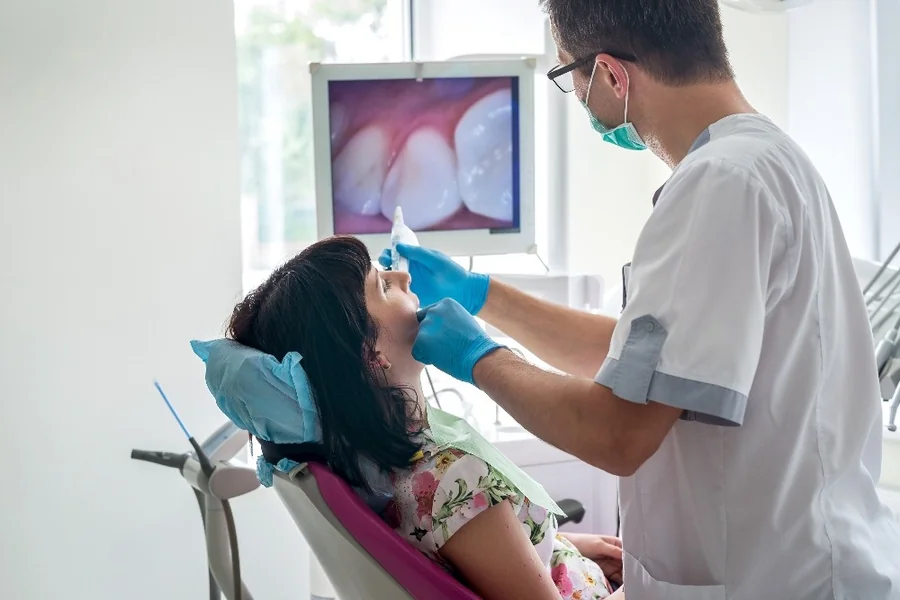
It is hard to trust what you cannot see. A small camera that fits in your mouth changes that. Your dentist moves it tooth by tooth. You watch the live picture on a screen near the chair.
This simple tool can
- Show early cracks, worn spots, and stains.
- Make it easier to explain why a tooth needs treatment.
- Help you track changes over time with saved images.
Instead of vague talk about a problem tooth, you see the dark spot or broken filling with your own eyes. That picture gives you power. You can ask direct questions. You can weigh choices for care. You can share the image with another provider if you seek a second opinion.
3. 3D Scanners That Replace Old Putty Impressions
Many people remember the thick trays used to take molds of teeth. The material felt cold and rough. Some people gagged. Now many offices use handheld 3D scanners instead. The device moves along your teeth and gums. It captures thousands of pictures and builds a model on the screen.
These scans support work such as
- Crowns and bridges
- Night guards and retainers
- Clear aligners for mild tooth movement
There is no mess. There is no strong taste. There is less chance of a poor mold that must be redone. The digital model can also reach a lab faster than a box in the mail. That can shorten the time you wait for your new crown or device.
4. Electronic Records and Secure Messaging
Your chart once sat in a paper folder. Today, many offices use electronic health records. These systems hold X‑rays, notes, allergies, and medicine lists in one place.
For you, that can mean
- Online forms before your visit instead of clipboards in the lobby.
- Quick checks for drug allergies or health issues that affect care.
- Secure messages to ask questions after a visit.
The Office of the National Coordinator for Health IT describes how digital records improve safety and teamwork among providers. When your dentist uses these tools well, you repeat your story less and still feel seen. Your medical and dental histories line up. That helps your dentist plan care that fits your whole body, not just your teeth.
5. Patient Education on Screens, Not Just in Words
Many people leave visits with questions they were afraid to ask. Clear pictures and short videos can ease that fear. Many practices use chairside screens, tablets, or wall monitors to explain common problems and treatments.
You might see
- Simple animations that show how decay forms.
- Step-by-step views of a filling or crown.
- Before and after pictures of gum disease treatment.
These tools do not replace careful talk. They support it. When you see each step, you feel less caught off guard in the chair. You can also share what you learned with your child or a family member at home. That builds shared understanding and calmer visits for everyone.
Sample Comparison of Traditional vs Tech‑Supported Care
| Type of Visit Step | Traditional Method | Technology Method | Impact on You
|
|---|---|---|---|
| X‑rays | Film on cardboard tabs | Digital sensors | Lower radiation and faster results |
| Tooth impressions | Putty in trays | 3D mouth scanner | No mess and less gagging |
| Exam view | Mirror and light only | Intraoral camera | Shared view of your teeth |
| Records | Paper charts | Electronic records | More complete and easier to share |
| Education | Verbal talk | Screen images and videos | Clearer grasp of choices |
How to Talk With Your Dentist About Technology
You do not need to know device names. You only need to know how you want to feel. Safe. Heard. Informed. Use that as your guide.
You can ask three simple questions.
- How do you use technology to lower my exposure and protect my health
- Can you show me what you see when you look at this tooth
- How can I reach you or your team if I have questions after I leave
Good answers should feel clear and calm. They should match your needs and your child’s needs. If something feels confusing, ask for a slower walk through the steps. A strong practice will respect that request.
Technology will keep changing. Your comfort should not get lost in that change. When your dentist uses tools that support clear pictures, lower risk, and honest talk, you gain more than a nice screen. You gain steady confidence in every visit.