
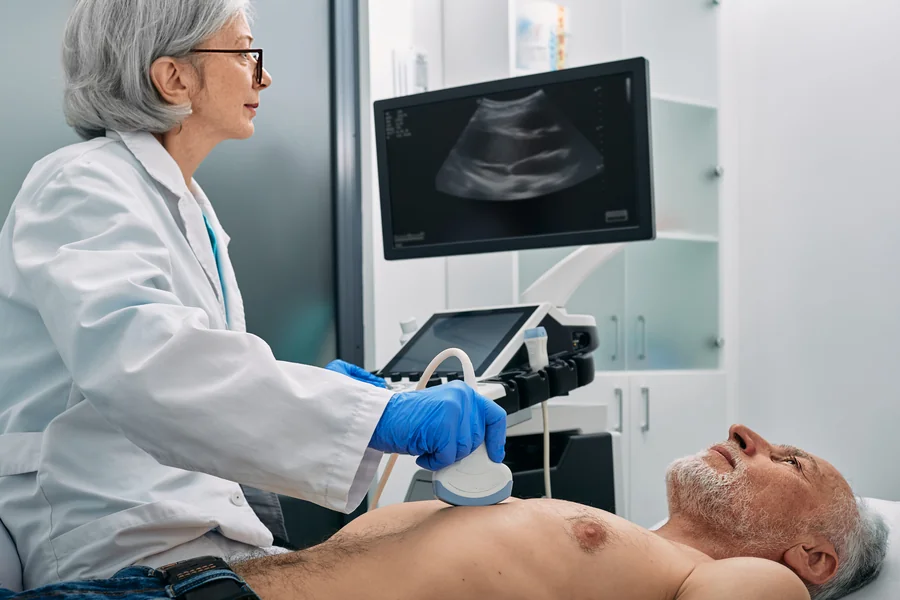
Endoscopic Ultrasound for Liver and Biliary Tract Assessment
Endoscopic ultrasound (EUS) is a minimally invasive imaging technique that combines endoscopy and high-frequency ultrasound to produce detailed images of the digestive tract and surrounding organs. In Singapore, its use is growing rapidly for the evaluation of liver and biliary tract conditions, offering a level of precision that traditional imaging methods like standard ultrasound or CT scans often cannot achieve.
By providing clear visualization of the liver, bile ducts, and nearby structures, endoscopic ultrasound enables accurate diagnosis and guides timely treatment decisions for various liver and biliary disorders. To learn more about how endoscopic ultrasound can help with liver and biliary assessments, read more here https://gastrohealth.com.sg/services/endoscopic-ultrasound/.
How Endoscopic Ultrasound Works
Endoscopic ultrasound (EUS) combines the techniques of endoscopy and ultrasound to provide highly detailed images of the liver, bile ducts, and surrounding structures. During the procedure, a thin, flexible tube equipped with a tiny ultrasound probe is gently inserted through the mouth and guided into the digestive tract. This allows the ultrasound to capture high-resolution images from inside the body, offering a level of detail that conventional external imaging cannot achieve.
EUS not only visualizes the liver and biliary system but also allows the specialist to examine nearby lymph nodes, blood vessels, and other organs. In some cases, it can be combined with fine-needle aspiration (FNA) to obtain tissue samples for biopsy, enabling precise diagnosis of cysts, lesions, or tumors. By providing both imaging and diagnostic capabilities in a minimally invasive procedure, EUS has become an essential tool for accurate evaluation and management of liver and biliary conditions.
Conditions Assessed by Endoscopic Ultrasound
Endoscopic ultrasound (EUS) is a versatile tool that helps detect and evaluate a range of liver and biliary tract conditions. It provides detailed imaging that allows for early diagnosis and better treatment planning. Common conditions assessed by EUS include:
- Gallstones and bile duct stones – Detects stones that may cause blockages or jaundice.
- Bile duct obstructions – Identifies strictures or narrowing of the bile ducts.
- Liver lesions and cysts – Evaluates abnormal growths or fluid-filled sacs in the liver.
- Pancreatic lesions affecting the biliary system – Assesses tumors or inflammation that may impact liver and bile duct function.
- Cholangiocarcinoma (bile duct cancer) – Early detection through high-resolution imaging.
- Monitoring chronic liver conditions – Tracks changes in liver structure in patients with chronic liver disease or cirrhosis.
By accurately visualizing these conditions, EUS allows a liver specialist to make informed decisions about further testing, treatment, or interventions.
When to Consider Endoscopic Ultrasound
Endoscopic ultrasound (EUS) is often recommended when standard imaging or routine tests suggest an abnormality in the liver or biliary tract, or when patients experience persistent symptoms. You may consider EUS if you have unexplained jaundice, upper abdominal pain, abnormal liver function tests, or a history of gallstones or bile duct issues.
It is also useful for evaluating liver lesions, cysts, or tumors detected on ultrasound or CT scans. Patients with risk factors for liver or biliary conditions, such as chronic hepatitis, fatty liver disease, or previous biliary surgery, may benefit from EUS for closer monitoring and early detection of complications.
The Procedure: What to Expect
Endoscopic ultrasound (EUS) is a minimally invasive procedure that is generally well-tolerated and performed on an outpatient basis. Before the procedure, your liver specialist may advise you to fast for several hours to ensure the stomach and intestines are clear. You may also be asked to adjust certain medications temporarily.
During the procedure, you will receive light sedation to help you relax and minimize discomfort. A thin, flexible endoscope with an ultrasound probe is gently inserted through the mouth and guided into the digestive tract. The probe emits high-frequency sound waves that create detailed images of the liver, bile ducts, and surrounding structures. In some cases, the specialist may perform a fine-needle aspiration (FNA) to collect tissue samples for biopsy, allowing precise diagnosis of lesions, cysts, or tumors.
The procedure typically takes between 30 to 60 minutes, and most patients recover quickly, often going home the same day. Mild throat discomfort, bloating, or cramping may occur but usually resolves within a few hours. After the procedure, your liver doctor will review the findings and discuss any further tests, treatment, or follow-up care needed.
Advantages of Endoscopic Ultrasound for Liver and Biliary Health
Endoscopic ultrasound (EUS) offers several significant benefits compared with traditional imaging methods. Its high-resolution imaging allows your liver specialist to detect small lesions, cysts, or abnormalities in the liver and bile ducts that might be missed on standard ultrasound or CT scans. This level of precision is particularly important for early diagnosis and timely intervention.
EUS also enables fine-needle aspiration (FNA) during the same procedure, allowing tissue samples to be collected for biopsy without additional invasive tests. This combination of imaging and diagnostic capability streamlines care and reduces the need for multiple procedures. Additionally, EUS is minimally invasive, generally well-tolerated, and carries a low risk of complications, making it a safe option for patients who require thorough liver and biliary tract evaluation.
Risks and Safety Considerations of Endoscopic Ultrasound
Endoscopic ultrasound (EUS) is generally safe, but like any medical procedure, it carries some potential risks. Understanding these considerations can help patients feel more informed and prepared:
- Mild discomfort – Some patients may experience temporary throat soreness, bloating, or cramping after the procedure.
- Sedation-related effects – Light sedation can cause drowsiness, mild nausea, or a brief drop in blood pressure; these are usually temporary.
- Bleeding – Rarely, fine-needle aspiration (FNA) during EUS can cause minor bleeding, which is typically controlled during the procedure.
- Infection – Very rare, but infections can occur when tissue samples are collected.
- Perforation – Extremely uncommon, but there is a small risk of a tear in the digestive tract.
Overall, EUS is considered a low-risk procedure, especially when performed by a trained liver specialist in a controlled clinical setting. Patients are closely monitored before, during, and after the procedure to ensure safety and comfort.
Conclusion
Endoscopic ultrasound (EUS) is a safe, minimally invasive procedure that provides detailed imaging of the liver and biliary tract, helping detect conditions early and guide timely treatment. By offering both diagnostic and imaging capabilities, EUS allows for accurate evaluation and peace of mind for patients concerned about liver or bile duct health.
If you are experiencing symptoms or have risk factors affecting your liver or biliary tract, book a consultation with our liver specialist, at:
Gastrohealth Clinic @ Gleneagles – Dr Bhavesh Doshi | Gastroscopy | Colonoscopy | Health Screening | EUS and ERCP Singapore
6A Napier Rd, #05-35C Gleneagles Hospital Annexe Block, Singapore 258500
Phone: +65 6355 5773