A Guide to Choosing the Right Trekking Shoes
TL;DR
- Trekking shoes are made for outdoor use. They have strong grip soles, sturdy construction, ankle support and weather-resistant materials.
- They provide stability on rough terrain and reduce the risk of slipping. A good pair also minimises foot fatigue.
- Wearing the right trekking shoes is important for optimum safety and performance. The wrong footwear can lead to discomfort, injuries or difficulty while navigating trails.
- Trekking shoes support movement on varied terrains and are a must for anyone planning outdoor adventures and activities.
Introduction
Trekking shoes are now a must-have for any outdoor plan, especially for those who spend long hours on uneven trails. While some may consider using running shoes for short walks, they often fall short when it comes to grip, support, flexibility and protection needed for tougher terrain. This is where trekking shoes make a difference, offering the kind of stability and comfort that regular footwear cannot match.
As more people take up hiking and backpacking, choosing the right trekking shoes becomes an important step before heading out. The right pair helps with movement on different surfaces but also reduces strain on the feet. Investing in well-built shoes can make outdoor experiences more comfortable and far less tiring.
What Are the Features One Should Look for in Trekking Shoes?
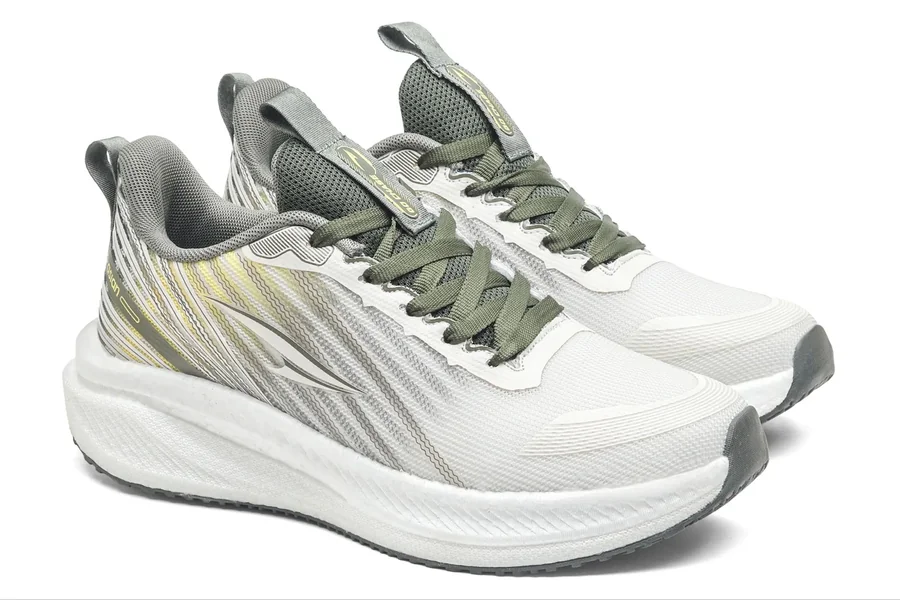
Choosing the right pair of trekking shoes with good grip can make a noticeable difference on the trail. Since conditions can vary, it helps to focus on features that support comfort, grip, and durability over long distances.
- Grip and traction: Look for soles that provide strong traction on uneven and slippery surfaces. This is especially important when choosing trekking shoes with good grip for rocky or muddy trails.
- Water resistance: Shoes that can handle moisture help keep feet dry in unpredictable weather. This is useful when crossing streams or trekking in damp conditions.
- Durability: Trekking often involves rough terrain, so sturdy materials and reinforced construction are important for use.
- Comfort and cushioning: Good cushioning helps absorb impact and reduces fatigue, especially during long walks or multi-day trips.
- Fit and support: A secure fit with proper ankle support helps maintain balance and reduces the risk of injury on uneven ground.
- Breathability: Shoes that allow airflow help prevent sweat build-up and keep feet comfortable during extended use.
What Are Some Things One Should Remember While Buying Trekking Shoes?
A few small checks can make a big difference in comfort and durability, there are several trekking shoes are offered at an affordable price. One should take the following precautions:
- Try shoes in the evening: Feet tend to swell slightly as the day progresses. Trying shoes later in the day gives a more accurate idea of how they will feel during regular use.
- Check the fit, not just the size: Sizes can vary according to the brand. It helps to walk around in the shoes and make sure there is enough room near the toes without the heel slipping.
- Look at the sole and cushioning: A good sole absorbs impact and provides grip. This is important for daily wear, especially if the shoes will be used for long hours.
- Pay attention to material: Breathable fabrics or good-quality synthetic materials keep feet comfortable and reduce sweat build-up.
- Think about usage: The right pair depends on where they will be worn most often. Daily errands, travel, o casual office wear may each need slightly different features.
- Do not focus only on price: Lower cost does not always mean lower quality. Some brands offer well-made options at reasonable prices, so it is impossible to check durability and comfort before deciding.
Final Recommendations
Trekking shoes can change how comfortable and safe a trail feels. The right pair supports each step, handles uneven ground and reduces strain over long distances. It is not just about getting through the trek but enjoying it without constant discomfort.
Taking a little time to choose well can make a difference on any outdoor trip. When the shoes match the terrain and fit properly, the focus stays on the experience rather than the effort.
FAQs
- How should trekking shoes fit for long hikes?
They should feel snug around the heel with enough room in the toe box to avoid pressure during descents. A secure fit prevents slipping inside the shoe.
- Is it better to choose heavier or lighter trekking shoes?
Lighter shoes work well for short or easy trails, while slightly heavier ones offer more support and durability for rough terrain.
- Can trekking shoes be used for everyday wear?
They can be used occasionally, but regular use on hard surfaces may wear down the grip faster than expected.
- How can someone test grip before buying trekking shoes?
Checking the sole pattern and trying the shoes on slightly inclined or smooth surfaces in-store can give a basic idea of traction.
- What is the best way to maintain trekking shoes after a trip?
Cleaning off dirt, drying them naturally and storing them in a well-ventilated space helps maintain their condition and performance.