
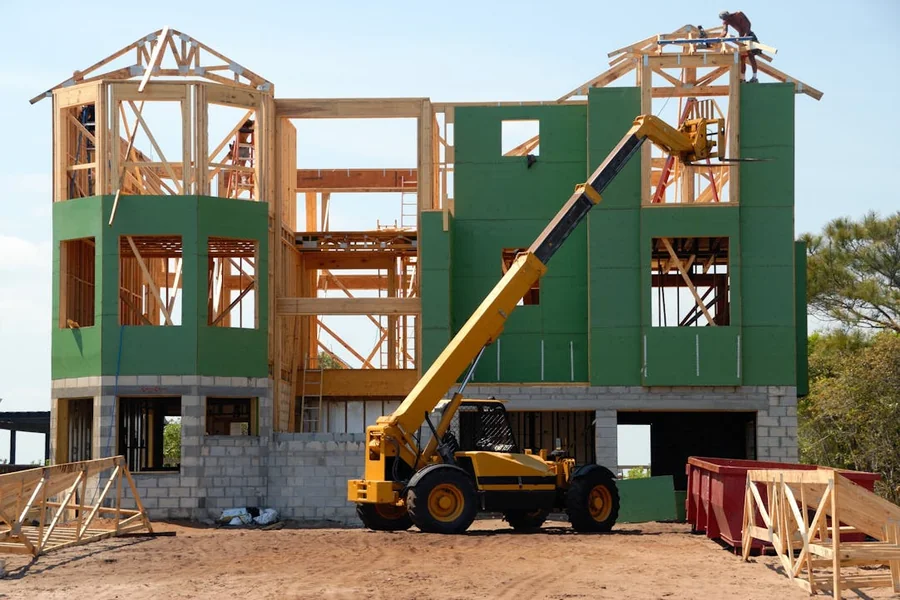
Best Ways to Plan a Budget for Building a Home.
Building a home is likely the biggest financial move you’ll ever make. Yet many people start with nothing more than a late-night guess on cost per square foot. That’s not a plan, it’s a setup for stress and surprise bills.
The truth is, a well-built budget can make or break your entire experience. When you understand where your money is going, you stay in control from day one.
This guide is here to help you do exactly that. We’ll walk through real costs, smart budgeting tips, and how to plan with clarity so you can build with confidence, not fear.
A Clear Breakdown of New Home Construction Costs
Now that you have a realistic budget range, it’s time to get specific about where the money actually goes. Understanding your new home construction costs by category is what separates confident owners from overwhelmed ones.
Core Cost Categories You Cannot Skip
Every project carries these buckets without exception: land acquisition and closing costs, site work (grading, utility runs, drainage), foundation and framing, mechanical systems, interior and exterior finishes, soft costs including permits and design fees, and, easily the most forgotten, move-in costs like window treatments, outdoor landscaping, and furnishings.
Rough Percentage Ranges to Use as a Sanity Check
Here’s a working guide. Land and site work typically runs 15–25% of the total budget. Structure and systems fall around 35–45%. Finishes account for 20–30%. Soft costs and contingency round out the remaining 10–15%.
These bands shift substantially in high-cost regions or with energy-conscious builds, so treat them as a checkpoint tool, not a contractual framework.
Why Regional Context Changes Everything
This is where generic advice really falls apart. Colorado Springs, sitting at the base of Pikes Peak and serving as a hub for El Paso County’s fast-growing custom home market, carries its own set of cost realities, mountain terrain, snow load engineering requirements, and strict energy codes, all of which add measurable layers.
Partnering with teams like the custom home builders in in Colorado at Elk Ridge Custom Homes genuinely matters here. They know the regional cost drivers, local permit timelines, trusted trade networks, material sourcing, and the kind of insider knowledge that protects your budget from expensive surprises most people never see coming.
A Smart Starting Point for Your Home Building Budget
Before a single floor plan gets sketched, you need a firm, honest number to build around. Everything downstream flows from this, your lot choice, your finishes, your builder conversations.
Finding Your True Spending Ceiling
People underestimate this constantly. Your all-in budget isn’t just the construction contract. It also includes land, site work, design fees, soft costs, furnishings, and, critically, a contingency reserve.
A reliable rule of thumb: keep your total housing debt under 36% of gross monthly income. That leaves actual breathing room for life.
You’ll also want enough liquid cash to comfortably cover a down payment plus three to six months of carrying costs before you even pick up the phone with a lender.
Working Backward From That Number
Once your ceiling is defined, reverse-engineer what’s actually buildable. The cost to build a house figures floating around online rarely includes land, site prep, or finish upgrades. They’re stripped-down baselines that mislead far more than they inform.
A starter build and a fully custom luxury home have entirely different cost DNA; comparing either to some national average is essentially pointless. Start with your real number, then build the target square footage and spec level around that.
A Practical Framework for How to Budget for Building a House
Understanding how to budget for building a house means getting line-item specific. Picking a round number and hoping it holds is not a strategy.
Build a Real, Line-Item Budget
A single-line “build cost” is not a budget, full stop. A serious home building budget breaks every phase into its own clearly defined line: site work, foundation, framing, rough-ins, insulation, drywall, finishes, and project close-out.
Each of these categories should include its own taxes, delivery fees, and a clear designation of responsibility, what the builder covers versus what is owner-supplied.
The most professional builders don’t rely on rough estimates or vague totals; they track costs in real time, line by line, throughout the entire project.
That level of detail isn’t a luxury, it’s a baseline expectation. When you’re vetting a builder, you should be asking for this kind of transparency upfront, because it’s one of the clearest indicators of how well your project will be managed from start to finish.
Set Honest Allowances for Finishes
An allowance is a placeholder for selections not yet finalized. And under-allowance is quietly where most budgets collapse.
A realistic mid-range kitchen allowance starts around $40,000–$60,000. Flooring, lighting, and bath fixtures each deserve their own conservative number. Lock in selections as early as humanly possible; it saves money and reduces stress.
Don’t Forget Financing Costs
Construction loan origination fees, inspection costs, and interest during the build are real expenditures. They just don’t show up in your builder’s quote. Model interest carry as a dedicated line item from the start, and coordinate your draw schedule tightly with construction milestones to avoid unnecessary cash pressure.
Proven Home Construction Budgeting Tips That Prevent Overruns
A well-built budget can still unravel mid-construction without the right disciplines holding it together.
1. Manage Change Orders Before They Manage You
Any change made during construction costs considerably more than that same change made during design. Set hard deadlines for selections, require written pricing on every single change order, and document all approvals in writing.
Moving walls after rough-in framing? That’s one of the fastest ways to vaporize your contingency fund.
2. Treat Contingency as Non-Negotiable
For a standard new build, 10% contingency is the floor, not the target. Complex sites, custom details, or extended timelines justify 15% or more.
Do not treat it as optional padding. It’s a required budget line from day one. The projects that finish on budget almost always have a properly funded contingency built in early.
Planning Your Home Building Budget
A strong home-building budget isn’t about landing on a comfortable number and moving on. It’s about understanding every category, making intentional design trade-offs, and tracking actual costs in real time from groundbreak through move-in day.
The homeowners who finish on budget and genuinely enjoy the process are almost always the ones who planned in precise detail, asked the hard questions early, and chose builders who communicate without hesitation.
Start with complete honesty about what you can truly afford. Then build everything else from that foundation.
Frequently Asked Questions
1. What is the most important first step in planning a home building budget?
The most important first step is determining your true spending ceiling. This includes not just construction costs, but also land purchase, site work, design fees, permits, furnishings, and a contingency reserve. A good guideline is to keep your total housing expenses under 36% of your gross monthly income to maintain financial stability.
2. How should I break down my home construction budget?
A solid budget should be divided into key categories: land and site work (15–25%), structure and systems (35–45%), finishes (20–30%), and soft costs plus contingency (10–15%). Breaking costs into detailed line items, like foundation, framing, plumbing, and finishes, helps you track spending accurately and avoid unexpected overruns.
3. Why is a contingency fund essential when building a home?
A contingency fund covers unexpected costs that arise during construction, such as design changes, material price increases, or site challenges. Experts recommend setting aside at least 10% of your total budget, and up to 15% for more complex builds. Without it, even small changes can quickly derail your entire budget.