
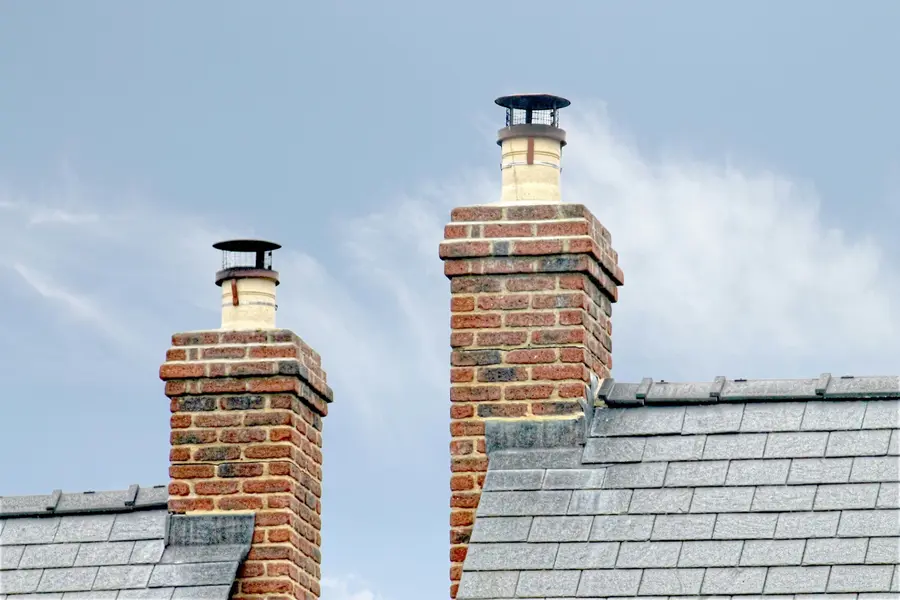
Simple Chimney Habits That Keep Your Home Safe for Years
A chimney can last decades if it’s cared for properly. The problem is that most homeowners don’t know what maintenance actually matters. They wait for obvious problems, assuming the structure will alert them loudly when something goes wrong. But chimneys don’t send loud warnings. They send small hints—subtle signs of stress that only show up if you know what to look for. The right habits extend chimney life, prevent costly repairs, and keep the entire home safer.
Why Chimney Habits Matter More Than Homeowners Realize
Chimneys interact with the entire home. They affect airflow, moisture balance, insulation quality, and even indoor air safety. A neglected chimney impacts far more than the fireplace. It influences structural integrity from attic to foundation.
These effects are even more pronounced in older properties and coastal regions. That’s why many homeowners rely on Chimney Installation and Repair for Your Long Island Home during renovations or annual maintenance cycles—to keep the system aligned with environmental demands and safety needs.
Habit 1: Check the Chimney Cap Every Season
The chimney cap protects the flue from rain, animals, and debris. A missing or damaged cap allows water to enter freely. Moisture is the number one cause of chimney deterioration. When water reaches the flue liner or masonry joints, it weakens the materials slowly but consistently.
A quick seasonal check ensures the cap is intact and securely attached.
Habit 2: Inspect Mortar Joints for Hairline Cracks
Mortar joints don’t fail suddenly. They start with tiny cracks caused by temperature swings, rainfall, and freeze-thaw cycles. These cracks widen each season. Once moisture enters, the deteriorating process accelerates.
Even small openings should be addressed immediately to prevent structural damage.
Habit 3: Evaluate Flashing During Roof Checks
Flashing seals the connection between the roof and chimney. When it shifts, lifts, or separates even slightly, water slips inside. Many “roof leaks” are actually chimney flashing issues. Homeowners often miss this because the symptoms appear indoors, not outside.
Make flashing inspection part of every roof review.
Habit 4: Clear Debris From Around the Chimney Base
Leaves, branches, and dirt collect where the chimney meets the roof. This debris traps moisture. Over time, trapped moisture seeps downward into the chimney masonry and upward into the shingles. Clearing debris every season prevents unnecessary water exposure.
Habit 5: Monitor Attic Conditions
The attic reveals the truth about chimney health. Look for:
- Damp insulation
- Rusting metal
- Musty odors
- Discolored rafters
These signs indicate moisture movement near the chimney.
Habit 6: Perform a Draft Test
Chimney draft determines how well air moves upward through the flue. Poor draft indicates blockages, liner cracks, or ventilation problems. You can test draft by observing how smoke or warm air exits the chimney during light use.
If airflow seems sluggish, deeper inspection is necessary.
Habit 7: Look for Exterior Discoloration
Stains on the chimney exterior often indicate moisture movement. White staining suggests soluble salts are escaping the masonry. Dark stains may signal water absorption or creosote buildup. These color changes are early warnings that maintenance is needed.
Habit 8: Pay Attention to Seasonal Weather Shifts
Chimneys experience more stress during extreme weather. Heavy rain, strong winds, and winter freezes expose weak points. After any major weather event, inspect the chimney for movement, cracks, or debris accumulation.
In climates with coastal winds and freezing winters, these checks become even more important—another reason homeowners turn to Chimney Installation and Repair for Your Long Island Home for long-term stability.
Habit 9: Clean the Flue Regularly
Soot and creosote build up inside the flue. Even small accumulations affect airflow and increase risk. Regular cleaning prevents blockages and improves chimney performance.
Habit 10: Address Small Repairs Immediately
The biggest chimney failures almost always begin with minor issues—tiny cracks, loose flashing, or missing mortar. These small warnings grow quickly. Fixing them early is always cheaper and easier than repairing full structural damage.
The Long-Term Impact of Simple Habits
Chimney safety is about consistency, not complexity. Quick seasonal checks, routine cleaning, and prompt attention to minor issues protect the entire structure. These habits keep your chimney strong, efficient, and reliable year after year.
By staying proactive and relying on professional support like Chimney Installation and Repair for Your Long Island Home when deeper issues appear, homeowners extend the life of their system and maintain a safer, healthier home.