Struggling with Slipped Disc Pain? Discover How a Pain Management Clinic Can Help
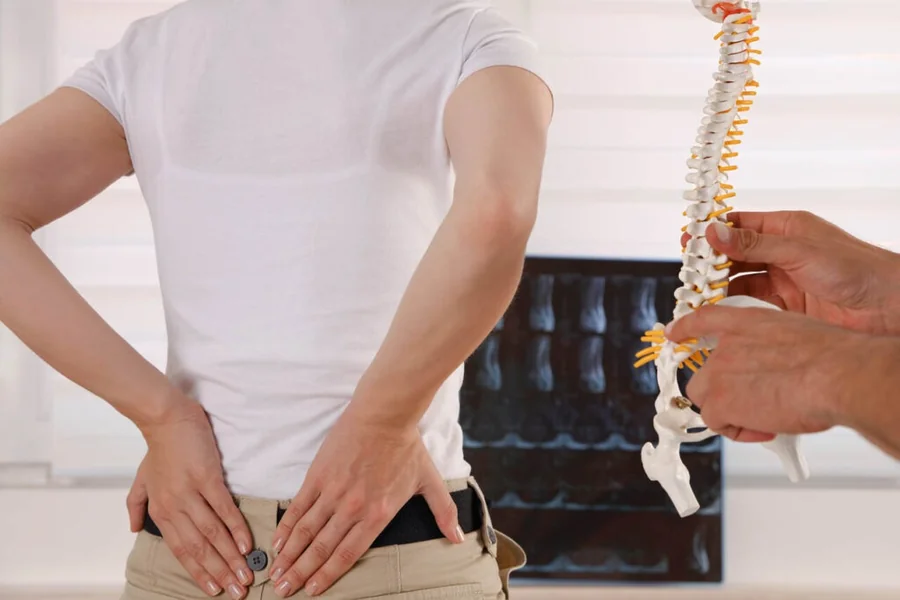
A slipped disc, also known as a herniated disc, occurs when the soft inner material of a spinal disc pushes through its outer layer, irritating nearby nerves. This can lead to persistent back pain, shooting leg pain, numbness, or tingling sensations, making even simple daily tasks challenging.
For many, symptoms can interfere with mobility, work, and overall quality of life. Seeking specialized care at a pain management clinic can provide targeted treatments and personalized strategies to relieve discomfort, restore function, and help patients regain a more active, pain-free lifestyle. To learn more about slipped disc treatment options, you can also read here https://www.totalpainspecialist.com/condition/persistent-spinal-pain-syndrome-slipped-disc-sciatica/.
What is a Pain Management Clinic?
A pain management clinic is a specialized medical facility dedicated to diagnosing, treating, and managing chronic pain conditions, including slipped disc-related discomfort. Unlike general clinics, these centers offer a multidisciplinary approach, bringing together pain specialists, anaesthesiologists, physiotherapists, and other healthcare professionals to provide comprehensive care.
The goal is not just to mask pain with medication but to address the underlying causes, improve mobility, and enhance overall quality of life. At a pain management clinic, patients can receive a combination of therapies, such as tailored medication plans, physical rehabilitation, minimally invasive procedures, and advanced technology-based interventions.
This personalized approach ensures that each patient receives the right combination of treatments for their specific condition. For those suffering from a slipped disc, consulting a pain management clinic can be a critical step toward long-term relief and better daily functioning.
Medical Treatments for Slipped Disc Pain
At a pain management clinic, medical treatments aim to reduce pain, control inflammation, and improve function for patients with a slipped disc. The approach is evidence-based and tailored to the severity of symptoms. Common medical treatments include:
- Pain medications – Non-steroidal anti-inflammatory drugs (NSAIDs) or acetaminophen to relieve pain and reduce inflammation.
- Muscle relaxants – Help ease muscle spasms that often accompany a slipped disc.
- Nerve pain medications – Drugs such as gabapentin or pregabalin may be prescribed if there is nerve irritation or radiating pain.
- Corticosteroid injections – Epidural or nerve root injections reduce inflammation directly around the affected nerve.
- Analgesic patches or topical treatments – Localized pain relief applied to the affected area.
These treatments are typically combined with other interventions, such as physical therapy or minimally invasive procedures, to provide a more comprehensive solution. The focus is on targeted relief, avoiding unnecessary surgery whenever possible, and improving the patient’s ability to perform daily activities.
Therapy and Rehabilitation for Slipped Disc
Therapy and rehabilitation are key components in managing slipped disc pain. The treatment focuses on restoring mobility, reducing pain recurrence, and improving daily function. Several rehabilitation approaches include:
- Physical therapy – Targeted exercises to strengthen core muscles, improve posture, and stabilize the spine.
- Stretching routines – Gentle stretches to relieve tension and improve flexibility in the back and legs.
- Occupational therapy – Guidance on ergonomics, safe lifting techniques, and adapting daily activities to reduce strain.
- Hydrotherapy or aquatic therapy – Low-impact exercises in water to reduce stress on the spine while improving mobility.
- Posture correction programs – Techniques to minimize pressure on affected discs and prevent further injury.
Therapy plans are individualized based on the patient’s symptoms, activity level, and severity of the disc herniation. Regular monitoring ensures exercises are performed correctly and progress is tracked.
Technology-Driven Interventions for Slipped Disc
Modern pain clinics use technology to provide precise, minimally invasive treatments for slipped disc pain. Common interventions include:
- Image-guided injections – Use X-ray or ultrasound to target the affected nerve accurately.
- Minimally invasive procedures – Techniques like percutaneous discectomy remove disc material without open surgery.
- Neuromodulation – Devices such as spinal cord stimulators modulate pain signals to the brain.
- Advanced rehabilitation tools – Robotic or sensor-assisted devices monitor and guide exercises for optimal results.
These technologies improve treatment accuracy, reduce recovery time, and enhance overall patient outcomes.
Combining Approaches for Effective Relief
Effective management of slipped disc pain often requires a combination of medical treatment, therapy, and technology-driven interventions. A multidisciplinary approach ensures that all aspects of the condition are addressed simultaneously, improving outcomes and reducing the risk of recurrence.
- Medical treatment manages pain and inflammation, allowing patients to participate more effectively in therapy.
- Therapy and rehabilitation strengthen muscles, improve posture, and restore mobility.
- Technology-driven interventions provide precise, minimally invasive solutions for targeted pain relief.
This integrated approach not only reduces pain but also helps patients regain function, return to work, and maintain an active lifestyle. It minimizes the need for surgery while providing long-term solutions for managing slipped disc symptoms.
Choosing the Right Pain Management Clinic
When choosing a clinic for slipped disc care, it’s important to carefully evaluate several factors to ensure you receive safe, effective, and comprehensive treatment tailored to your specific needs. Consider the following:
- Experienced specialists – Look for certified pain physicians and anaesthesiologists.
- Comprehensive services – Clinics offering medical treatment, therapy, and minimally invasive procedures.
- Personalized care – Treatment plans tailored to your specific condition and lifestyle.
- Patient outcomes – Check success stories, reviews, and treatment results.
- Convenience – Location, accessibility, and appointment availability matter for ongoing care.
Conclusion
Slipped disc pain can significantly impact daily life, but with the right combination of medical treatment, therapy, and advanced interventions, relief and improved function are achievable. Early, specialized care is key to preventing further complications and regaining mobility. If you are struggling with slipped disc pain, contact our clinic for a personalized assessment and treatment plan. Details below:
Total Pain Specialist Clinic
Farrer Park Station Rd, #10-10 Farrer Park Medical Centre, Singapore 217562
Phone: +65 8908 1406
https://www.totalpainspecialist.com/