
The Simming Prize: Creativity, Community, and the Expanding Frontiers of Simming (2015–2019)
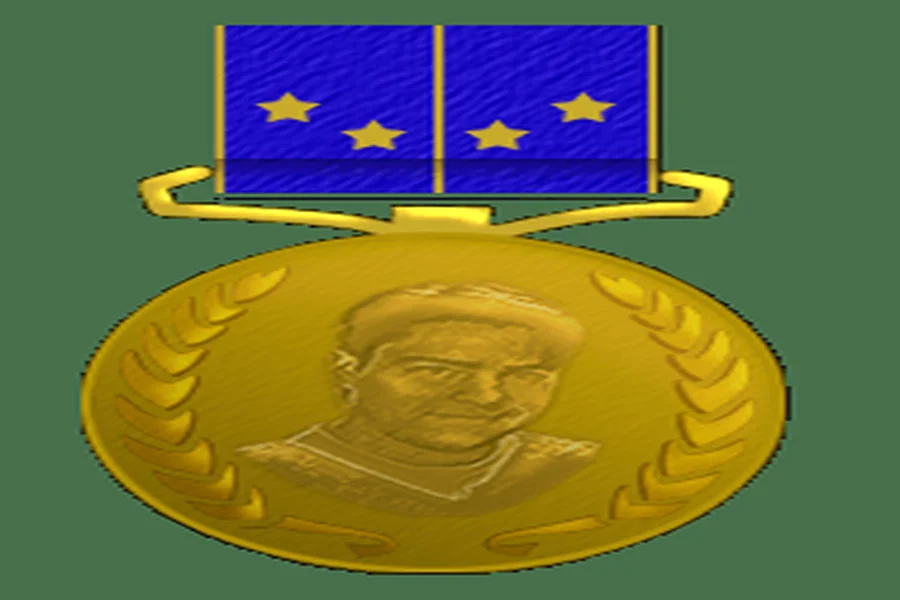
Since its founding in 1999 by the Simming League, The Prize for Simming and Online Role Playing in Memory of Seth Cotis has recognized the very best of online role-playing. Named in honor of Seth Cotis—whose legacy of leadership and service helped shape the modern simming community—the Prize celebrates those who push the boundaries of collaborative storytelling while strengthening the communities that make it possible.
By the mid-to-late 2010s, simming had fully come into its own as a diverse, multi-platform ecosystem. No longer defined by a single format or medium, the community spanned forums, chat systems, social media, and even live events and multimedia productions. The winners from 2015 to 2019 reflect this richness, showcasing a hobby that is not only enduring, but constantly reinventing itself through creativity, resilience, and innovation.
2015 Winners
The 2015 laureates set the tone for a period defined by adaptability and sustained excellence. Bravo Fleet was recognized for its ability to evolve across generations of simming, maintaining high standards while embracing change. Its longevity and willingness to reform made it a model for long-term success.
PBEM2.com earned recognition as a vital recruitment hub, connecting players and communities while supporting the broader ecosystem of simming. Meanwhile, The Original Marvel Roleplay demonstrated the strength of immersive, community-driven role-play within virtual environments like Second Life, offering players both structure and freedom.
USS Galileo of Obsidian Fleet was honored for its exceptional storytelling and attention to detail. With richly developed characters and a polished presentation, it stood as a benchmark for modern Star Trek simming.
2016 Winners
The 2016 cohort highlights the individuals and organizations who quietly—and sometimes not so quietly—hold the community together. Charles Star of Independence Fleet was recognized for his extraordinary breadth of contributions, from launching sims to organizing major community events like SciWorld, FallFest, and the Tournament of Simulations. His influence extended far beyond any single group, helping to unify the wider simming world.
Kristen Romanelli of SPCsimms and Kepler Station was honored for her role as both storyteller and mentor. Her ability to guide, inspire, and rebuild communities in difficult times exemplifies the best qualities of simming leadership.
STF was recognized for its unparalleled longevity, having endured decades of technological and cultural change while remaining a vibrant and active community. Teresa Snow of Stargate Ancient Legacy earned recognition for her dedication to supporting fellow leaders and fostering inclusive storytelling.
Finally, the USS Vindicator of UCIP was honored for its long-standing excellence, combining decades of history with fresh, engaging narratives that continue to captivate players.
2017 Winners
In 2017, the Simming Prize celebrated both stability and creativity. Nugra of UFOP: StarBase 118 was recognized for his extensive behind-the-scenes contributions, from welcoming new members to maintaining technical systems and supporting major story arcs.
UCIP itself was honored for its pragmatic leadership and enduring community, demonstrating how thoughtful governance can sustain a simming organization over decades. The YSS Kaiyo of Star Army earned recognition for its deeply immersive storytelling, blending humor, emotion, and originality in a way that fully engaged its players.
2018 Winners
By 2018, the diversity of the simming community was on full display. Major Tom and Lieutenant Dan of Outpost 42 News were recognized for their innovative approach to satire, using humor and parody to reflect on the community’s culture and challenges. Their work proved that simming could be self-aware while still celebratory.
Josh Hina, also known as RisaXeph of the TNU Project, was honored for his role as a unifier within the community. Through his leadership in conventions like SciWorld and FallFest, he promoted cooperation and emphasized shared values.
Theta Fleet received recognition for its player-first philosophy, focusing on delivering high-quality experiences to its members rather than chasing expansion. Caribbean Dawn stood out for its originality, exploring a historical, land-based setting that challenged traditional norms.
The Star Trek Sim Hub was also honored for its role as a social connector, leveraging platforms like Facebook to bring together players and groups from across the simming world.
2019 Winners
The close of the decade highlights a community that is both innovative and deeply rooted in tradition. October Veritas of UCIP was recognized for her exceptional leadership and service, balancing the demands of hosting, administration, and community involvement with remarkable skill and dedication.
Charles Star and Bella were honored for The Simming Endeavor, a groundbreaking role-playing game show that blended competition, storytelling, and entertainment into a wholly new format. Their work exemplifies how simming continues to evolve in unexpected and exciting ways.
Outpost Phoenix was recognized for its enduring commitment to real-time, chat-based role-playing. In an era dominated by play-by-post formats, it maintained a thriving, decades-long tradition built on weekly interaction, rich storytelling, and strong community bonds.
A Community Without Limits
The years from 2015 to 2019 showcase a simming community that has fully embraced its identity as a creative, interconnected, and ever-evolving space. From long-standing institutions to bold new experiments, these laureates demonstrate that simming is not confined to any single format or style—it is defined by the passion and imagination of its participants.
Through their achievements, they carry forward the vision of Seth Cotis and the mission of the Simming League: to foster collaboration, celebrate creativity, and build communities where stories can thrive. As the decade came to a close, one thing was clear—the future of simming would be shaped not just by technology, but by the people who continue to push its boundaries and bring its worlds to life.


