What Life as a Nan Tien Institute Student Looks Like
Choosing where to study a postgraduate degree involves more than comparing course outlines. The day-to-day experience of student life often shapes satisfaction just as much as the curriculum itself.
A different kind of campus environment
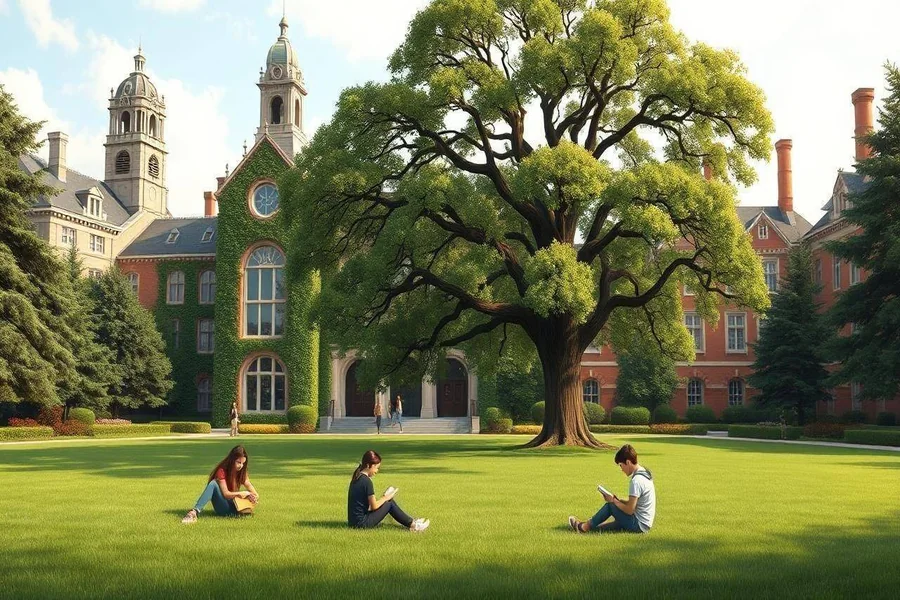
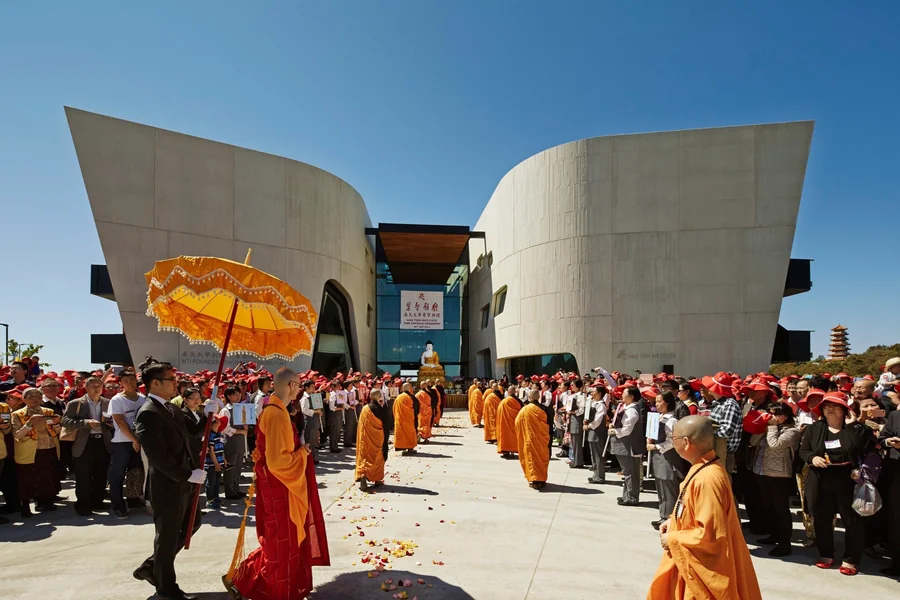
Set in the Illawarra region, the campus offers a quieter, more contemplative atmosphere than many larger metropolitan universities, which appeals particularly to students studying fields connected to wellbeing and mindfulness.
That atmosphere shapes daily student life from the very first week, setting a distinctly different tone to the fast pace many associate with larger city campuses.
Students at Nan Tien Institute often describe the smaller class sizes and close-knit community as a defining part of their experience, quite different from the anonymity of a large lecture hall.
This scale means students typically get to know their lecturers and classmates well over the course of their studies, creating a supportive environment that many find genuinely motivating during a demanding program.
Balancing study with work and family life
Many postgraduate students are juggling study alongside existing careers and family responsibilities, and course structures designed with this reality in mind make a significant difference to whether study feels manageable or overwhelming.
Flexible scheduling options, including part-time study pathways, allow students to progress through their degree at a pace that fits realistically around other commitments rather than forcing an all-or-nothing approach.
Support services aimed specifically at mature-age and part-time students help address the practical challenges this group often faces, from time management to simply readjusting to academic study after time away.
What the coursework actually involves
Coursework often blends academic theory with practical application, particularly in areas like applied mindfulness, where students are expected to engage with concepts experientially rather than purely through reading and lectures.
Assessment styles vary depending on the specific course, but many programs place real weight on reflective practice, requiring students to connect theoretical material back to their own experience and professional context.
The wellbeing focus that runs through the culture
Beyond specific coursework, many students note that the institute’s broader culture around wellbeing influences the overall student experience, creating an environment that feels different from a typical university setting.
This does not mean the academic standard is any less rigorous. Rather, it means the environment supporting that rigorous study is deliberately designed with student wellbeing in mind, not treated as an afterthought.
Building a professional network during study
Smaller cohorts mean students often build genuine, lasting connections with classmates who go on to work in related fields, creating a professional network that extends well beyond graduation.
Learning to communicate complex ideas clearly is a skill that runs through much of the coursework, and one that graduates say serves them well long after they leave the classroom behind.
Guest lectures and industry connections also give students exposure to practitioners already working in their chosen field, offering a practical perspective that complements the more theoretical elements of coursework.
What graduates say about the experience
Graduates frequently mention the sense of community as one of the most valuable aspects of their time studying, alongside the practical skills and qualifications gained through their chosen program.
Many also describe the experience as personally transformative, not just professionally useful, reflecting the institute’s broader emphasis on wellbeing alongside academic achievement throughout the study experience.
Considering whether it is the right fit
Prospective students weighing up their options should consider not just course content but the type of learning environment that will genuinely suit them, since this affects motivation and outcomes just as much as academic rigour.
Visiting the campus or speaking with current students, where possible, gives a much clearer sense of daily student life than course brochures alone can ever really convey.
Support services available to students
Academic support, including writing assistance and study skills workshops, helps students who may be returning to formal education after a break, easing the transition back into structured academic assessment.
Personal wellbeing support is also woven into the broader student experience, reflecting the institute’s founding values and giving students access to resources beyond purely academic assistance when they need it.
Financial considerations for prospective students
Postgraduate study represents a significant investment of both time and money, and understanding available scholarships, payment plans, or government assistance options is an important part of planning for study realistically.
Speaking with the institute’s enrolment team early in the decision-making process helps clarify exactly what financial support might be available before committing to a particular course or study load.
How study connects to career outcomes
Many students choose postgraduate study specifically to support a career transition or advancement, and understanding how a particular course connects to real career pathways helps ensure the investment pays off in practical terms.
Learning to communicate complex ideas clearly during study translates directly into the workplace, and businesses face a similar challenge, where lessons from sharp SaaS product marketing often apply just as well to explaining a nuanced field to a wider audience.
Industry connections and alumni networks built during study often play a meaningful role in these career transitions, providing both practical opportunities and ongoing professional support well after graduation.
A distinctive approach to postgraduate education
What ultimately distinguishes the student experience is the combination of rigorous academic content with a genuine, consistently applied focus on wellbeing that runs through every aspect of campus life.
For students seeking more than just a qualification, this combination offers a genuinely different postgraduate experience, one that aims to develop the whole person alongside their professional and academic capabilities.
Getting a genuine feel before enrolling
Attending an open day or information session, or speaking directly with an admissions advisor about specific goals and circumstances, is one of the most reliable ways to know whether the environment genuinely suits a prospective student.
For many, that combination of academic depth and a supportive, values-driven community is exactly what makes the difference between simply completing a degree and genuinely growing through the experience of postgraduate study.
Ultimately, choosing where to study is a deeply personal decision, and understanding what daily student life actually feels like is just as important as reading through a course handbook before making that choice.
For those drawn to a smaller, values-led learning environment, the experience on offer here is well worth exploring closely before committing to any postgraduate pathway.