
Why Dental Cleanings Are A Critical Veterinary Service
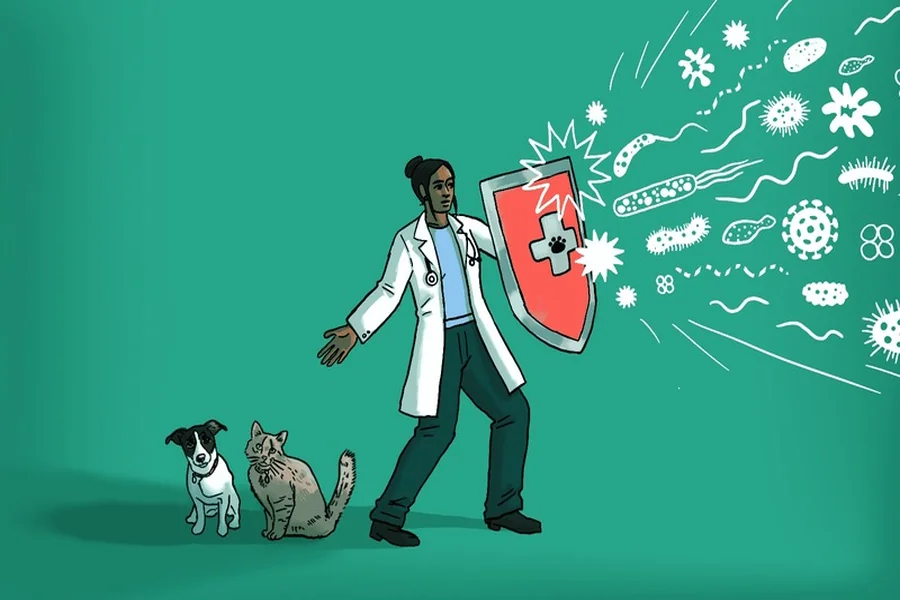
Your pet trusts you to protect its health, even when the problem hides in plain sight. Teeth and gums often tell the first story of illness. You might notice bad breath, yellow buildup, or bleeding. You might not see anything at all. Quiet infection can spread from the mouth to the heart, liver, and kidneys. It can cause pain every time your pet eats. Regular dental cleanings are a critical veterinary service because they remove disease before it spreads. They also let your veterinarian check for broken teeth, tumors, and bone loss. Each cleaning gives your pet a better chance at a longer, calmer life. At San Marcos veterinary center, dental care is treated like any other medical need. You deserve clear facts about what happens during a cleaning, why it matters, and when to schedule one. Your pet depends on you to act.
How Dental Disease Hurts Your Pet
Dental disease starts with plaque. Food and bacteria form a sticky film on teeth. If you do not remove it, it hardens into tartar. Gums react and pull away. Infection settles in. Teeth loosen and nerves feel pressure. Every bite can sting.
This does not stay in the mouth. Bacteria can move into the blood. It can reach the heart, liver, and kidneys. The American Veterinary Medical Association explains that most dogs and cats have some dental disease by age three.
You might see these signs
- Bad breath
- Red or bleeding gums
- Brown or yellow buildup on teeth
- Dropping food or chewing on one side
- Pawing at the mouth
- Less interest in toys or hard treats
Sometimes you see nothing. Your pet eats and plays. Infection still grows under the gumline, out of sight.
What Happens During a Veterinary Dental Cleaning
A proper cleaning goes far beyond brushing. It is a medical procedure that follows clear steps.
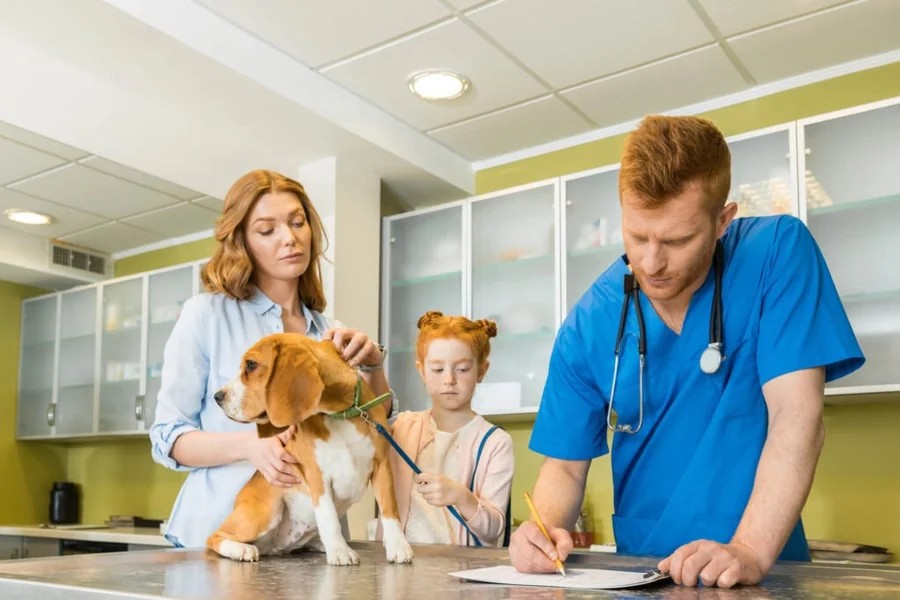
First, your veterinarian does a full exam. You discuss your pet’s health, past reactions, and any current medicine. Blood work often checks organ function. This helps plan safe anesthesia.
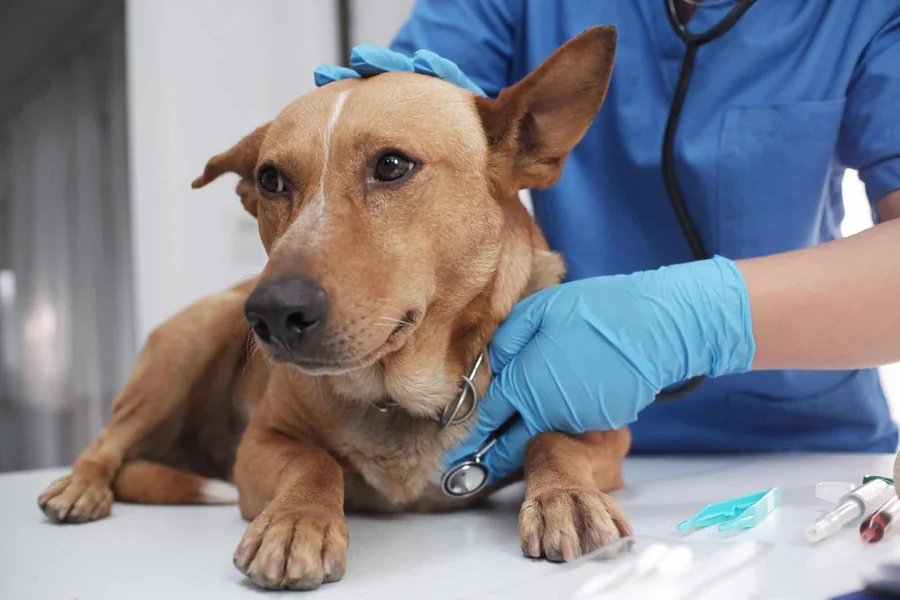
Next, your pet receives anesthesia. This keeps your pet still and pain free. It also protects the airway from water and debris. The American Animal Hospital Association explains that safe anesthesia with monitoring is standard for dental care.
During the cleaning, the team will
- Take dental X rays to see roots and bone
- Remove tartar above the gum with tools and an ultrasonic scaler
- Clean under the gum where infection hides
- Check each tooth for pockets, cracks, or movement
- Polish teeth to smooth the surface
- Flush the mouth to remove debris
Then you get a report. You hear which teeth look strong, which need watching, and which may need treatment or removal. You also get a home care plan.
Why Anesthesia Is Necessary
Some people feel fear about anesthesia. That fear is normal. You still need to know the truth. Safe anesthesia protects your pet more than a quick awake cleaning.
Your pet will not hold still for deep cleaning under the gum. Scraping a moving tooth can cut gums and cause more pain. Without anesthesia, the team cannot clean the pockets where disease starts. They also cannot take good X rays. You would only get a surface scrape. That can hide problems and give false comfort.
With anesthesia, the team can
- Clean every tooth fully
- Reach under the gum where bacteria live
- Take clear X rays
- Treat painful teeth at the same time
- Watch heart rate, breathing, and blood pressure
Modern drugs and monitoring lower risk. Your veterinarian weighs age, breed, and health before each procedure.
How Often Your Pet Needs a Cleaning
Every pet is different. Age, size, breed, and home care all change the schedule. Still, you can use general guides and then adjust with your veterinarian.
| Pet Type | Common Age for First Cleaning | Typical Cleaning Frequency | Higher Risk Factors
|
|---|---|---|---|
| Small dog (under 20 lb) | 2 to 3 years | Every 12 months | Crowded teeth, toy breeds, history of bad breath |
| Medium or large dog | 3 to 4 years | Every 12 to 24 months | Flat face breeds, diabetes, immune disease |
| Cat | 2 to 3 years | Every 12 to 24 months | Gingivitis, resorptive lesions, drooling |
| Senior pet (over 7 years) | As advised | Often yearly with close checks | Heart, kidney, or liver disease |
Use this table as a starting point. Then ask your veterinarian to set a schedule that fits your pet.
Home Care That Supports Cleanings
Dental cleanings work best when you support them at home. You cannot replace cleanings, but you can slow disease between visits.
Key steps include
- Daily tooth brushing with pet safe toothpaste
- Dental diets or treats approved by your veterinarian
- Chew toys that do not break teeth
- Regular mouth checks for smell, color, or bleeding
You do not need to be perfect. Even a few brushings each week help. The goal is steady care, not flawless routine.
Why Acting Early Saves Pain and Money
Waiting often leads to loss. Early cleanings cost less than treatment for advanced disease. When you delay, you may face extra X rays, extractions, and medicine. Your pet may need repeat visits and stronger pain control.
Early care gives three clear gains
- Less pain for your pet
- Lower long term cost for you
- Better protection for heart, liver, and kidneys
You would not wait to fix a rotting step on your porch. You should not wait to treat a rotting tooth in your pet. Quiet damage grows with time.
When to Call Your Veterinarian
Call your veterinarian if you see
- Bad breath that does not fade
- Red, swollen, or bleeding gums
- Loose or missing teeth
- Drooling or dropping food
- Swelling near the jaw or nose
- Change in eating, play, or mood
Ask for a dental exam and a clear plan. Request an estimate that lists X rays, cleaning, extractions, medicine, and follow up. You deserve clear numbers and clear steps.
Your pet cannot say, “My mouth hurts.” You see the signs. You hold the power to stop that hurt. Regular dental cleanings are not extra. They are core medical care that protects comfort, health, and years with your pet.