
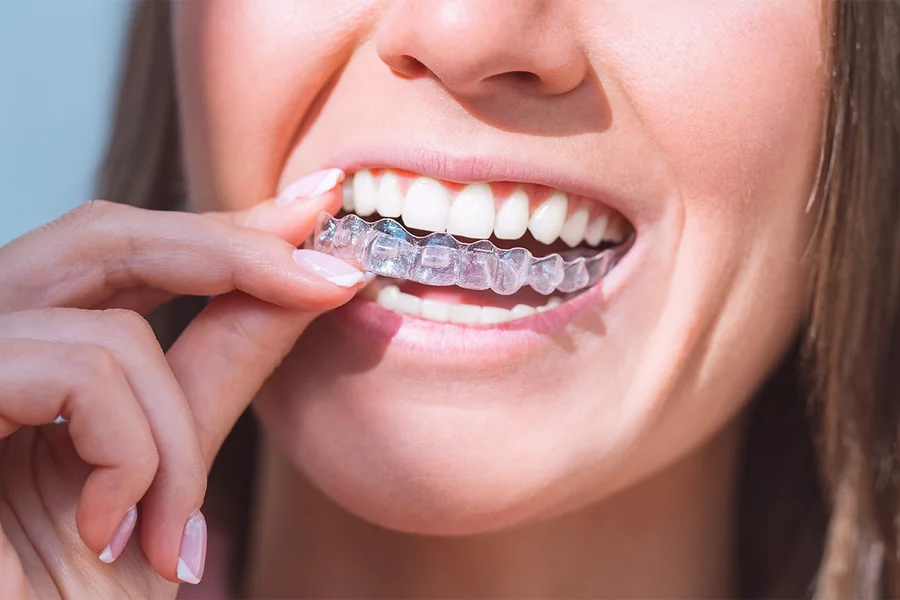
How Clear Aligners Can Be Integrated Into Ongoing Dental Care
Clear aligners can fit into your regular dental care without chaos or confusion. You do not have to choose between a straight smile and healthy teeth. You can protect both. When you use clear aligners in Marietta GA, your dentist still checks for cavities, gum disease, and worn teeth. You still need cleanings. You still need X rays. Only now your dentist also tracks tooth movement, fit of the trays, and changes in your bite. Every visit matters. Each step affects how you chew, speak, and clean your teeth at home. You may need new brushing habits. You may need to avoid certain snacks. You may need more frequent checkups. This guide shows how to match aligner treatment with routine exams, cleanings, and long term plans so your mouth stays strong while your teeth move.
How Clear Aligners Work With Regular Checkups
Your dentist does not pause your routine care when you start aligners. Instead, both plans run at the same time. Each visit has two goals. You keep your mouth free of disease. You keep your teeth moving in a safe way.
At a typical visit, your dentist may
- Check your gums for bleeding or swelling
- Look for cavities around old fillings and between teeth
- Review X rays for bone loss or hidden decay
- Check how your teeth fit together when you bite
- Review how your aligners fit and how often you wear them
The Centers for Disease Control and Prevention explains why routine dental visits prevent tooth loss and pain.
Aligner Visits Compared With Routine Visits
Your aligner checkups can often combine with your cleanings. Yet each type of visit has a different focus. This table shows how they compare, so you know what to expect.
| Visit Type | Main Purpose | How Often | What You Can Expect
|
|---|---|---|---|
| Routine exam and cleaning | Prevent cavities and gum disease | Every 6 months for most adults | Teeth cleaning, X-rays as needed, gum check, oral cancer screen |
| Aligner progress check | Track tooth movement and aligner fit | Every 6 to 10 weeks based on your plan | Review wear time, check trays, adjust plan if teeth move too slow or too fast |
| Combined visit | Do both preventive and aligner care | Timed to match your cleaning and tray change schedule | Cleaning, exam, plus aligner review during the same appointment |
Daily Habits While You Wear Clear Aligners
Clear trays sit close to your teeth for many hours each day. That can trap food and sugar if you do not clean well. Simple habits protect you.
Each day, you should
- Brush your teeth at least twice with a fluoride toothpaste
- Floss once to clean between teeth where trays cannot reach
- Rinse your mouth with water after snacks if you cannot brush
- Clean your aligners with a soft brush and cool water
- Store trays in a case when you eat so you do not lose them
You should not drink sugary drinks or sports drinks with aligners in your mouth. The liquid can sit under the tray. That can feed decay and cause white marks on teeth. Water is safe with trays in place.
Coordinating Aligners With Cleanings and X Rays
Timing matters. You can plan your aligner start date around your next cleaning. That way, your teeth are free of plaque before trays go in. Your dentist may suggest X-rays before treatment so they can find hidden problems first.
A simple plan looks like this
- Month 0. Full exam, cleaning, X-rays, and gum check
- Month 1. Aligner starts after any fillings or gum treatment
- Month 3. Progress check and quick polish if needed
- Month 6. Routine cleaning plus aligner review on the same day
The National Institute of Dental and Craniofacial Research explains why this kind of steady care lowers your risk of tooth loss.
Protecting Gums During Aligner Treatment
Gums can bleed when plaque builds up along the edge of aligners. You can protect your gums with three simple steps.
- Brush gently along the gumline to remove soft film
- Use floss threaders or small brushes to reach tight spaces
- Tell your dentist right away if you see swelling or persistent bleeding
Your dentist may smooth a sharp tray edge or adjust your plan, so your bite stays stable. Early action prevents deep pockets and bone loss.
Special Situations for Families
Children and teens can use clear aligners while they grow. Their needs differ from those of adults. They may forget trays at school. They may snack often. They may not clean well without reminders.
Parents can support them by
- Setting phone alarms for tray wear and cleaning
- Keeping a travel brush and case in the backpack
- Checking weekly for lost or cracked trays
Adults with health conditions like diabetes or dry mouth need closer care. Sugar free gum, more frequent cleanings, and fluoride rinses can help protect teeth while aligners are in use.
When To Call Your Dentist Between Visits
You should not wait for your next appointment if something feels wrong. Call your dentist if you notice three warning signs.
- Sudden pain that wakes you up or keeps you from eating
- Aligners that no longer seat fully, even after you use chewies
- Gums that look bright red or start to pull away from teeth
Quick checks often prevent broken teeth, infections, or treatment delays. Early care is kinder and usually less costly.
Keeping Your Smile Healthy After Treatment
When your aligner plan ends, your work is not done. Teeth can drift back if you do not wear retainers. Routine care stays important.
Your long term plan should include
- Regular cleanings at least twice a year
- Retainer wear as your dentist directs, often at night
- Night guards if you grind your teeth
This steady approach keeps your bite stable. It also keeps your teeth clean, so your straight smile stays strong for many years.