The Importance of Spay and Neuter Services at Cat Clinics
Spay and neuter services protect your cat and your community. When you choose these services at a trusted cat clinic in Calgary, you cut the risk of certain cancers, infections, and painful injuries from fighting. You also help reduce the number of abandoned kittens who never find steady homes. Many people wait until there is a problem. That delay leads to more stress, higher costs, and hard choices. Early spay and neuter care is simple, fast, and safe for most cats. It also supports calmer behavior, fewer fights, and less spraying in your home. You gain peace of mind. Your cat gains a longer, safer life. Your city gains fewer stray cats and fewer emergencies. This blog explains why spay and neuter services matter, when to schedule them, and what you can expect before and after the visit.
Why spay and neuter services matter for your cat
Spaying and neutering surgery removes the organs that cause pregnancy. For females, this means the ovaries and usually the uterus. For males, this means the testicles. The change inside is permanent. The benefits for your cat are clear.
First, you lower the risk of serious disease. Spayed females have a far lower chance of breast cancer when surgery happens before the first heat. They also avoid uterine infections that can turn deadly in a short time. Neutered males have no risk of testicular cancer. They also have a lower chance of prostate trouble.
Second, you see steadier behavior. Many unaltered males roam, fight, and spray strong-smelling urine. Many unaltered females howl and pace during heat. These patterns create noise, mess, and tension in your home. After surgery, most cats settle. They still play. They still explore. They simply live with less pressure from mating urges.
Third, you protect your cat from injuries. Roaming cats face cars, wild animals, and harsh weather. Fights lead to bites and scratches. Those wounds often cause infections and painful abscesses. Neutered males roam less and fight less. Spayed females do not seek mates. Your cat stays closer to home and stays safer.
Why spay and neuter services protect your community
Unwanted litters place a heavy strain on shelters, rescue groups, and neighbors. Many kittens never reach adulthood. They suffer from hunger, disease, and harsh winters. You can stop that cycle.
Public health experts track the link between pet sterilization and shelter intake. A review from the Centers for Disease Control and Prevention explains that unmanaged cat populations raise concerns for bites and disease spread. Spay and neuter programs help control those numbers and reduce human exposure to scratches and bites from frightened strays.
Veterinary schools also support early spay and neuter programs. Data shared by educators through the AVMA show that sterilization programs reduce shelter intake and euthanasia in many cities. When more families choose surgery for their pets, shelters see fewer litters left at their doors.
Health and behavior benefits at a glance
The table below summarizes key differences between altered and unaltered cats.
| Factor | Unspayed / Unneutered Cat | Spayed / Neutered Cat
|
|---|---|---|
| Risk of reproductive cancers | Higher risk | Lower risk |
| Roaming and escape attempts | Frequent | Less common |
| Fighting and bite wounds | More common | Less common |
| Spraying and marking in home | Frequent | Less frequent |
| Unplanned litters | Ongoing risk | No risk |
| Average lifetime medical costs | Often higher | Often lower |
When to schedule spay and neuter services
Most kittens can be spayed or neutered when they are a few months old. Many clinics suggest surgery around five to six months of age. Some clinics with special training perform surgery earlier for shelter kittens. Your vet will look at weight, growth, and overall health before giving a clear time frame.
Adult cats can also have surgery. Even seniors may benefit, as long as blood work and an exam show they can handle anesthesia. It is never too late to prevent new litters. It is also never too late to lower the risk of certain diseases.
Talk with your vet about timing if your cat has other health problems. Conditions like heart disease, diabetes, or past reactions to anesthesia need careful planning. You still have options. You simply need a safer plan.
What to expect before surgery
Before surgery, the clinic team will examine your cat and review vaccines. They may ask you to keep food away for a set time before the visit. Water may still be allowed. You will sign a consent form and share any past medical history.
During the exam, ask clear questions. You can ask what type of anesthesia they use, how they control pain, and how they monitor your cat during surgery. You can also ask when you will get a phone call with an update.
What happens during and right after surgery
During surgery, your cat receives anesthesia. The vet makes a small cut, removes the reproductive organs, and closes the cut with stitches or glue. The team watches heart rate, breathing, and temperature.
After surgery, your cat wakes up in a quiet space. Some cats feel groggy. Some feel restless. The team checks the pain level and gives medicine as needed. Most healthy cats go home the same day. Some may stay overnight if they need closer watching.
How to care for your cat at home
Home care matters. It shapes how fast your cat heals and how comfortable they feel. Focus on three steps.
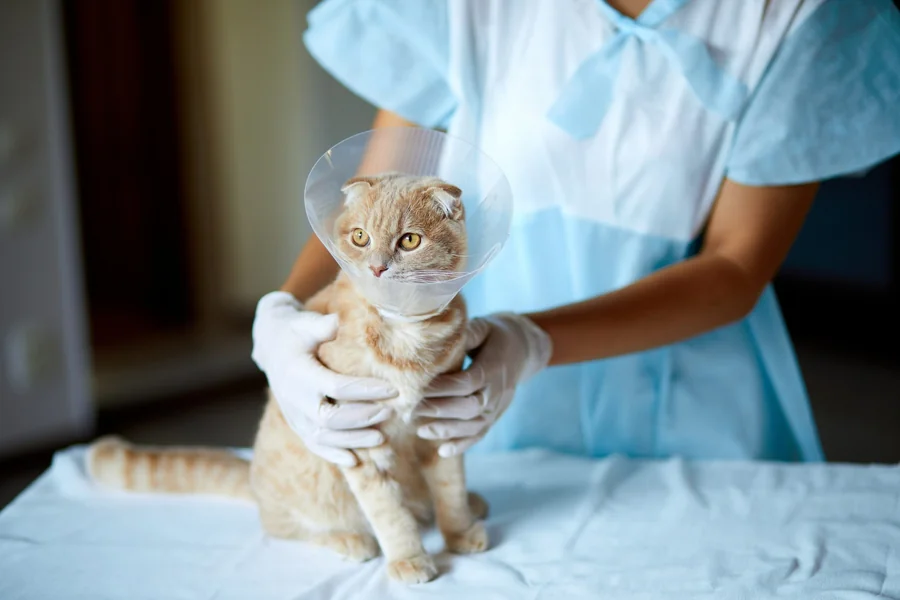
- Protect the surgery site. Use a cone or recovery suit if your cat tries to lick or bite the stitches. Licking opens the cut and invites infection.
- Control activity. Keep your cat indoors. Limit jumping and rough play for about ten to fourteen days or as your vet directs.
- Watch for warning signs. Redness, swelling, fluid, or a bad smell from the cut needs a quick call to the clinic. So do vomiting, hiding, or refusal to eat.
Follow the pain medicine schedule exactly. Do not give human pain pills. Many common human drugs harm cats. Only use medicine your vet prescribes.
Taking the next step
Every choice about your cat’s body can feel heavy. Spay and neuter surgery is one choice that brings clear gains for your pet, your family, and your city. You prevent suffering you will never see. You also give your cat a calmer, safer life.
If you have questions, write them down and bring them to your next clinic visit. Ask for plain answers. You deserve clear facts. Your cat depends on your decision and your care.