
Honey Bee Swarms in Morris County: What Homeowners Should Know
Honey bee swarms in Morris County can shock you the first time you see one. A buzzing cloud. A moving ball of bees on a branch, fence, or porch. You might worry about stings, your children, or your pets. You might also feel pressure to act fast. Take a breath. A swarm is a natural stage in a honey bee’s life. It is not a random attack. You can protect your home and still respect these insects. You just need clear steps. This guide explains what a swarm is, why it happens, and what you should do when one shows up near your home. It also explains what you should never do. You will learn when to call for help and who to contact in Morris County. You will see that calm action keeps you safe and keeps the bees safe.
What a Honey Bee Swarm Is
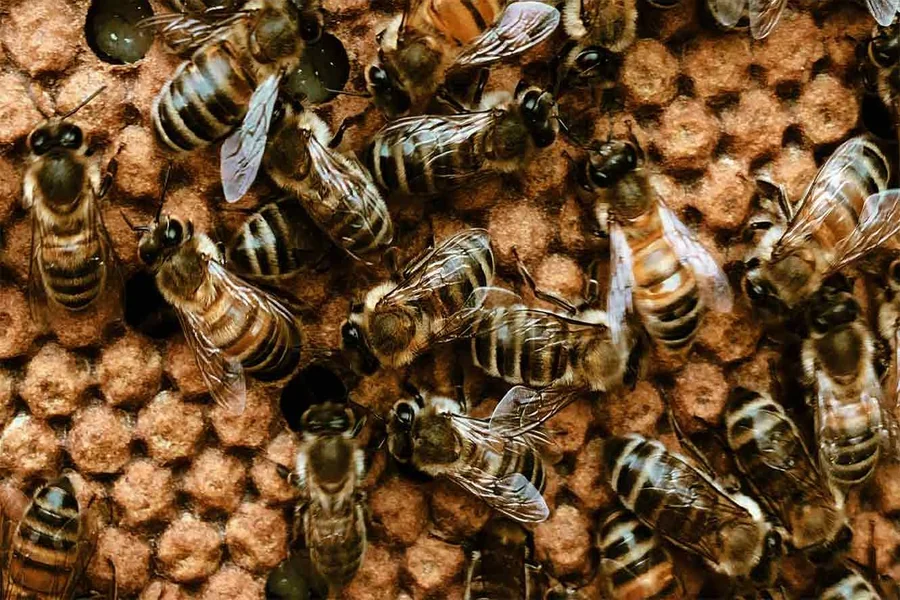
A swarm is a honey bee colony on the move. The old queen leaves the hive with thousands of worker bees. They cluster on a tree, post, or house while scouts look for a new home.
You see a tight clump of bees. It can be the size of a softball, a football, or larger. It may stay for a few hours or a few days. Then it moves on.
During this time the bees are focused on finding shelter. They are not focused on you. That is why most swarms stay calm if you give them space.
Why Bees Swarm in Morris County
Swarms happen each spring and early summer. Warm days and blooming plants tell the colony it is time to grow.
Three main triggers cause swarming.
- The colony becomes crowded.
- The hive has plenty of food.
- The queen ages and needs replacement.
Local flowers and trees support this growth. Maples, willows, and backyard gardens all feed bees. Morris County has many of these food sources. That is why you may see swarms in your yard, park, or school field.
How to Tell a Swarm from a Nest
You need to know if you see a swarm or a settled nest. Your response will change based on that.
| Sign | Swarm | Established Nest or Hive
|
|---|---|---|
| Shape | Hanging clump of bees | Bees going in and out of a fixed opening |
| Location | Branch, fence, post, wall surface | Wall void, attic, tree cavity, soffit |
| Time present | Hours or a few days | Weeks or months |
| Wax or comb | No visible comb | Wax comb present inside structure |
| Behavior | Mostly calm cluster, limited flight | Constant traffic to flowers and back |
If you see wax comb inside a wall, soffit, or tree, you are not dealing with a simple swarm. You are seeing a colony that has moved in.
What You Should Do Right Away
When you spot a swarm near your home, take three simple steps.
- Keep children and pets indoors until you understand the situation.
- Stay at least 15 feet away from the bees.
- Watch from inside or from a safe distance outdoors.
Next, check how long the swarm stays. Many swarms leave on their own within 24 to 72 hours. If the cluster shrinks and then disappears, the bees have found a new home somewhere else.
If the bees begin moving into a wall, roof edge, or shed, act fast. That is the time to contact a local beekeeper or pest control professional for removal.
What You Should Never Do
Some common reactions put you and your family at risk. Avoid these actions every time.
- Do not spray the swarm with water. It will only agitate the bees.
- Do not throw rocks, sticks, or other objects at the cluster.
- Do not use household bug spray or gasoline.
- Do not try to burn the bees or the structure.
These actions can trigger stings. They can also damage your home. In some cases they can break local rules that protect pollinators.
Health and Safety Concerns
Most people can walk past a calm swarm without a problem. Yet stings can still happen if bees feel crushed or trapped.
Call 911 right away if someone has:
- Trouble breathing.
- Swelling of the face or throat.
- Dizziness or confusion.
This can signal a serious allergy. For basic sting care, you can review guidance from the Centers for Disease Control and Prevention.
Who to Call in Morris County
You have several options when a swarm appears and does not leave.
- Local beekeepers who collect swarms.
- Licensed pest control companies.
- Your town or county health or environmental office.
Many beekeepers remove swarms to start new managed hives. This keeps bees working in orchards and gardens instead of inside walls. You can ask your town clerk or local health department for beekeeper contacts.
You can also check state resources on pollinators and bee health. The Rutgers New Jersey Agricultural Experiment Station shares current information for residents.
How to Reduce Swarm and Nest Problems
You cannot stop bees from flying through your yard. You can reduce the chance that they move into your home.
Focus on three main steps.
- Seal gaps around roof edges, vents, and utility lines.
- Repair damaged siding and soffits before spring.
- Screen attic vents and chimneys where allowed.
Regular home upkeep removes many inviting spaces. It also protects your house from other insects and small animals.
Living Safely with Honey Bees
Honey bees help farms, gardens, and wild plants across Morris County. Swarms can still feel scary when they appear near your family.
When you know what a swarm is, you can respond with calm. You watch. You keep distance. You call for help if the bees begin to move into your home.
This steady approach protects your children and pets. It also protects the bees that support local food and flowers. You do not need fear. You need clear steps and the right support when you need it.